
All Essays

What Leaves First
The hours in a day do not expand to accommodate ambition. If nothing is deliberately removed, the new pursuit gets whatever is left over—the margins, the scraps, the exhausted end of the day. And whatever is left over is never enough to build anything that matters.

What Carries the Effort
A goal that depends entirely on willpower is fragile. The pursuits that last are designed to persist without relying on willpower at all. How to build the structures that carry effort forward through months and years of ordinary work.

Where You End Up
The person who arrives at exactly the outcome they imagined at the beginning probably wasn't paying attention. Evolution means letting the work teach you something about what you're building and adjusting accordingly.

What the Obstacle Taught You
Confrontation produces information. Not always the information you wanted, but information nonetheless: about the real difficulty, about your own capacity, about what the goal requires that you had not anticipated. The person who has confronted an obstacle honestly knows something they did not know before. The question is what they do with it.

The Floor Beneath the Leap
Taking a risk requires courage. But courage alone does not address the question that separates deliberate risk from recklessness: what happens if this does not work? A person can see the risk clearly, accept the exposure, and commit fully—and still have no plan for what failure looks like or when to walk away. That is not bravery. That is an incomplete decision.

The Design Problem
Every morning a person wakes up and decides whether to do the work, that person has created a system with a failure point built into every day. The decision may go well on Monday. It may hold on Tuesday. By Thursday, when sleep was short and the week has accumulated, the decision becomes harder—not because the commitment has changed, but because the conditions have.

Turning Sight into Structure
A person can hold a vivid picture of the future and still have no idea what to do on Monday morning. The picture may be specific. It may have survived doubt. It may be held with genuine resolve. None of that matters if it has not been translated into positions that can be measured, missed, or met.

Priorities Need Structure
You can identify what matters with clarity and still, nothing changes. The gap between knowing and doing isn't a motivation problem. It's an allocation problem. Identified priorities don't automatically claim capacity—they compete for whatever remains.

When a Goal Becomes Binding
A goal can be defined with precision and still exert no influence on behavior. Until it is translated into decisions and constraints, it remains intention rather than an operating standard.

From Intention to Constraint
A goal can be defined with precision and still exert no influence on behavior. Until it is translated into decisions and constraints, it remains intention rather than an operating standard.

Surviving Distraction, Delay, and Doubt
A closer look at why most goals fail—and how clarity, courage, and conviction create the resilience needed to withstand the forces working against you.
Prioritize Health
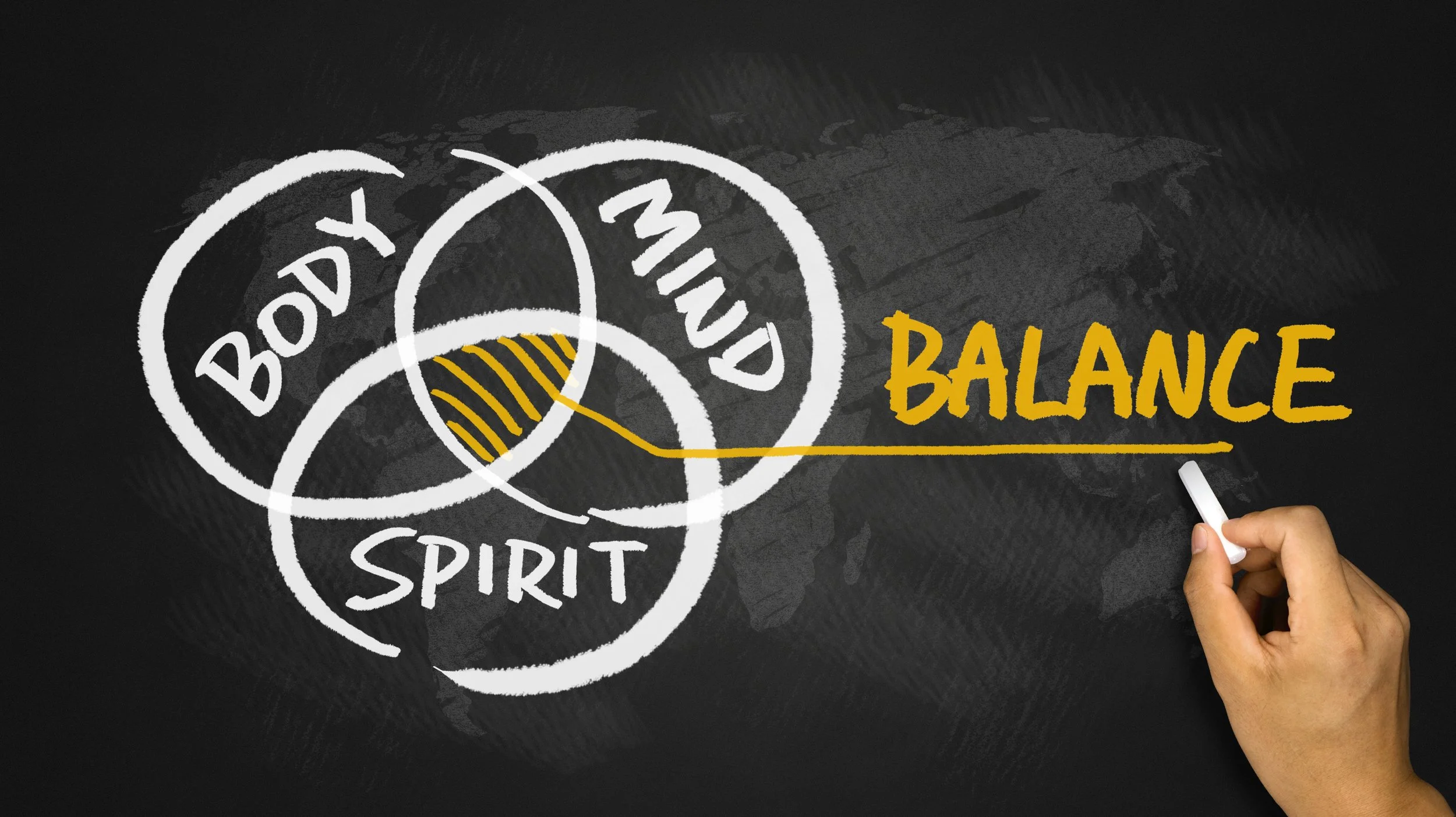
Most people say health is a top value—but their habits rarely show it. True health isn’t about perfection or performance. It’s about creating a balanced system of small, daily choices that support your mind, body, and spirit. When those three align, you gain the clarity to lead, the strength to endure, and the perspective to grow.

The Mental Game
You train your body—so train your mind. This essay explores grit, thought traps, breathing, meditation, and journaling as practical tools to build mental resilience—one breath, one page, one choice at a time.

Fail Forward
Success doesn’t come from getting it right the first time. It comes from learning, adjusting, and persisting. This week’s essay explores why failure is part of the process—and how to turn it into progress.

Why Goals Matter: A Roadmap to Personal Growth and Purpose
Setting meaningful goals isn’t just about productivity—it’s about purpose. In this essay, I examine how clarity, discipline, and conviction lay the foundation for a focused and fulfilling life.